Source Stainless Steel 304 Pipe Flanges for Oil Gas and Chemical
Find 30 listings for stainless steel 304 pipe flanges available in various standards like DIN, ANSI, and GB. Compare specifications including flanged and welding connections, forging manufacturing, and custom sizes from 1/2" to 64". These components support machinery, construction, and food industry applications with options for RF or FF sealing surfaces.
Key considerations
Products List


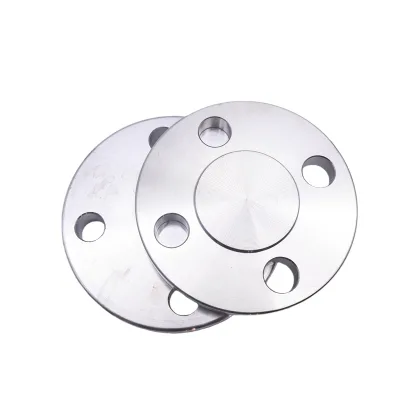
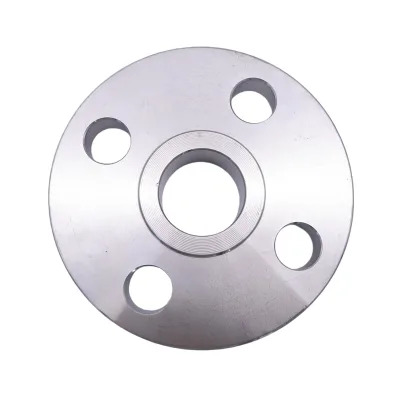


Comprehensive Sourcing Guide
Stainless Steel 304 Pipe Flanges Sourcing Guide
Procuring stainless steel 304 pipe flanges requires a strategic approach to navigating a market where customization is widely available and manufacturing origins vary significantly across China. Buyers must recognize that while many suppliers offer standard dimensions, the actual product attributes often depend on specific customer drawings and requested tolerances. The observed listing signals indicate a broad range of models, from specific designations like F-1 to generic size ranges spanning 1/2" to 64", necessitating a clear definition of requirements before engaging with vendors.
The commercial landscape for these components is defined by flexible business terms such as FOB, CIF, and CFR, which directly impact the final landed cost and logistics responsibility. Since delivery times are noted as situation-dependent, procurement planners must account for potential variability in lead times rather than relying on fixed schedules. Understanding that freight methods include both air and sea options allows buyers to balance urgency against budget constraints, ensuring that the supply chain aligns with project timelines without compromising on the structural integrity of the flanges.
Product Scope and Observed Listing Signals
The product scope for stainless steel flanges encompasses a wide variety of structural types, including welding flanges and flanged connections, which are essential for piping systems in diverse industries. Listings frequently highlight the manufacturing method as forging, a process that enhances the material's grain structure and mechanical strength compared to casting. Buyers should verify that the observed product models, such as those labeled ST37.2 or 316, align with the specific corrosion resistance and temperature requirements of their intended application, whether in chemical processing or oil and gas drilling.
Listing signals also reveal significant variation in packaging standards, ranging from plywood cases and wooden bundles to standard export packages and PP bags. This inconsistency in packaging can influence the condition of goods upon arrival, particularly for large diameter flanges that require robust protection against shipping damage. Procurement teams must explicitly specify their preferred packing method in purchase orders to ensure that the goods arrive in a state suitable for immediate installation, preventing costly delays caused by damaged components or inadequate protection during transit.
Technical Specifications to Verify
Technical verification begins with confirming the sealing surface type, as listings indicate options such as Raised Face (RF) and Flat Face (FF) which dictate compatibility with mating flanges and gasket selection. The machining tolerance is a critical specification, with some suppliers offering precision up to +/- 0.1mm based on customer drawings, while others state that tolerance depends on the applicable standard. Buyers must explicitly request the tolerance class for their specific order to ensure that the flanges will fit correctly within the piping assembly without requiring excessive field modification or causing leakage.
Dimensional accuracy and material composition are equally vital, with observed specifications covering a vast range from DN15 to DN4000 and various standard designations like DIN 400. The section shape is consistently noted as round, but the outer diameter (OD) is often customizable, requiring precise input from the engineering team to avoid mismatches. It is essential to cross-reference the listed model numbers against the actual physical dimensions required, as the generic listing of 1/2" to 64" may not cover every specific size needed for complex industrial projects without further clarification.
Compliance and Safety Documentation
Compliance documentation must address the multiple international standards referenced in the market, including DIN, GB, ANSI, JIS, GOST, and BSW, which govern the design and testing of flange components. Since the standard is often listed as customizable or dependent on the specific project requirements, buyers cannot assume a single standard applies to all units in a shipment. It is imperative to request the specific mill test certificates and compliance documents that correspond to the chosen standard, ensuring that the material properties meet the regulatory and safety mandates of the destination country.
Safety and quality assurance are further supported by the supplier's ability to provide samples and their adherence to specific sealing surface processes. While some listings mention high-quality manufacturing, the actual verification of these claims relies on the documentation provided for each batch. Buyers should insist on proof of the surface treatment, such as polishing, and confirm that the sealing surfaces have been inspected to prevent leaks in high-pressure systems. Without this documentation, the risk of installing non-compliant components that could fail under operational stress remains unacceptably high.
Cost Drivers and Commercial Terms
Cost drivers for stainless steel flanges are heavily influenced by the raw material grade, the complexity of the forging process, and the level of customization required for dimensions and tolerances. The observed price range is extremely wide, reflecting the difference between standard off-the-shelf items and bespoke components manufactured to exacting specifications. Buyers must understand that the "low factory price" advantage often cited by suppliers is contingent on order volume and the standardization of the product, meaning that highly customized orders will naturally command a premium.
Commercial terms such as FOB, CIF, and CFR define the point at which risk and cost transfer from the seller to the buyer, significantly affecting the total procurement budget. The delivery time is noted as variable, depending on the situation, which introduces a financial risk if project schedules are tight. Procurement managers should negotiate clear penalties for delays and clarify whether the quoted price includes the cost of seaworthy packing or if additional fees apply for specialized packaging like plywood cases, ensuring there are no hidden costs that inflate the final expenditure.
Supplier Qualification and Quality Control
Supplier qualification should focus on verifying the manufacturing location and the specific production capabilities, with origins noted in regions like Shandong and Wenzhou. The ability to provide samples is a strong indicator of a supplier's confidence in their product quality and their willingness to engage in a transparent evaluation process. Buyers should request to see physical samples of the welding flanges to inspect the surface finish, machining tolerance, and overall workmanship before committing to a large-scale order, ensuring that the supplier can meet the specific technical demands of the project.
Quality control processes must be explicitly defined, particularly regarding the sealing surface and the adherence to the agreed-upon standards like DIN or ANSI. Since tolerance is often described as dependent on the standard, the supplier must demonstrate a robust internal quality control system that can consistently produce parts within the specified limits. Buyers should inquire about the inspection protocols used for the forging process and surface treatment to ensure that every flange meets the required mechanical properties and dimensional accuracy before it leaves the factory.
Long-Term Procurement Checks
Long-term procurement success relies on establishing a reliable supply chain that can consistently deliver high-quality flanges while adapting to changing project requirements. The observation that suppliers export to all over the world suggests a level of logistical maturity, but buyers must maintain regular communication to monitor production schedules and potential disruptions. Building a relationship with a supplier who offers customization and can provide samples ensures that the procurement team can adapt to new design specifications without needing to source from multiple vendors.
Continuous verification of the supplier's adherence to standards and their ability to meet delivery timelines is essential for maintaining operational efficiency. Buyers should periodically review the performance of the supplier against the agreed-upon business terms, including the freight method and packaging quality. By maintaining a disciplined approach to quality control and documentation, organizations can mitigate the risks associated with variable lead times and ensure that their piping systems remain safe and compliant throughout the lifecycle of the project.
FAQs
What standards are available for stainless steel 304 pipe flanges?
Stainless steel 304 pipe flanges are manufactured to multiple international standards including DIN, GOST, GB, ANSI, and JIS. These standards define the dimensional requirements and pressure ratings for the flanges. Buyers can select the specific standard that matches their piping system design and regional regulatory requirements for safe operation.
Can you provide samples of stainless steel 304 pipe flanges?
Yes, samples of stainless steel 304 pipe flanges can be provided to verify quality and dimensions before bulk orders. This allows buyers to inspect the material grade and surface finish. Sample availability supports informed purchasing decisions and ensures the product meets specific engineering specifications for the intended industrial application.
What is the typical delivery time for stainless steel 304 pipe flanges?
The typical delivery time for stainless steel 304 pipe flanges is within 30 days, though it depends on the situation. Factors such as order volume and customization requirements influence the exact schedule. Buyers should confirm the timeline with the supplier to align with their project deadlines and supply chain planning.
Which packaging methods are used for stainless steel 304 pipe flanges?
Stainless steel 304 pipe flanges are packaged using plywood cases, wooden cases, bundles, or seaworthy packing. These methods protect the flanges from damage during transit. The choice of packaging depends on the shipping method and the specific requirements of the buyer to ensure the products arrive in optimal condition.
What is the MOQ for stainless steel 304 pipe flanges?
The minimum order quantity for stainless steel 304 pipe flanges ranges from 1 to 1000 units. This flexibility accommodates both small trial orders and large industrial procurements. Buyers can negotiate the MOQ based on their specific needs and the supplier's production capacity to secure the best terms for their purchase.
What machining tolerance is applied to stainless steel 304 pipe flanges?
The machining tolerance for stainless steel 304 pipe flanges is up to plus or minus 0.1mm according to customer drawings. This precision ensures proper fit and sealing in piping systems. The tolerance depends on the standard and specific design requirements, allowing for high-quality manufacturing tailored to exact engineering specifications.